

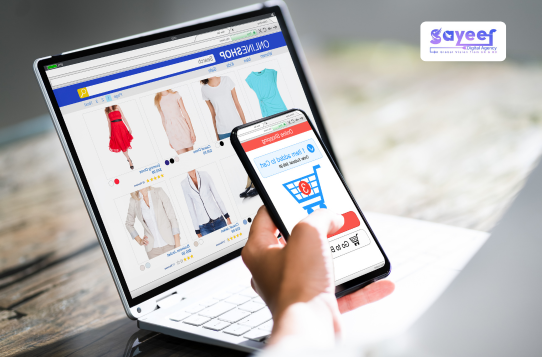
Running an e-commerce business in today’s competitive digital world requires more than just having great products. It’s about building visibility, trust, and a loyal customer base through a strong, data-driven marketing strategy.
Whether you’re targeting a national or global audience, your online store needs to attract customers, convert them efficiently, and keep them coming back. Let’s explore the ultimate digital marketing strategy for e-commerce success.
1. Understand the Nature of Your Online Business
Unlike local businesses, e-commerce stores operate nationwide or globally, which means setting up a Google My Business profile isn’t necessary. Instead, your focus should be on building a strong online brand presence across your website, social media, and ad platforms.
Define your target audience clearly — their needs, interests, and shopping behavior — before investing in ads or SEO. This clarity helps you reach the right people with the right message.
2. Leverage Paid Advertising (Google & Social Media Ads)
E-commerce growth is heavily driven by paid ads. Platforms like Google Ads and Facebook Ads are the backbone of your traffic generation strategy.
Google Ads: Ideal for capturing high-intent buyers searching for specific products.
Facebook/Instagram Ads: Perfect for brand discovery, product awareness, and retargeting campaigns.
Depending on your niche, you can also explore Pinterest, TikTok, or Snapchat Ads to reach younger or visual audiences.
3. Focus on SEO for Category Pages
While paid ads bring immediate traffic, SEO ensures long-term visibility. Instead of targeting every product page, start optimizing your category pages first — these often have higher search potential.
Use relevant keywords like “buy [product category] online” or “best [category] for [use case]”. Add compelling content, internal links, and clear CTAs to make these pages rank and convert effectively.
4. Increase Your Average Order and Lifetime Value
Boosting revenue isn’t just about more customers — it’s about making each sale more valuable.
Here’s how:
Offer bundle discounts or “Buy More, Save More” deals.
Introduce loyalty programs or reward points.
Use email marketing to bring customers back with personalized offers.
Upsell and cross-sell relevant items during checkout.
This strategy helps you grow sustainably while maximizing profits per customer.
5. Use Product Visualization & UGC (User-Generated Content)
Visual content is the heart of e-commerce marketing. Show your products in action using:
Customer testimonials
Unboxing videos
UGC (User-Generated Content)
These types of ads build authenticity and trust, especially when buyers see real customers sharing genuine experiences.
6. Implement Dynamic Remarketing
Dynamic remarketing is one of the most powerful e-commerce tools. It shows personalized ads to users who visited your website, featuring the exact products they viewed earlier.
This boosts conversion rates by reminding potential customers of what they almost bought — a proven method to recover lost sales.
7. Analyze Data to Optimize Offers
Regularly analyze your campaign and sales data. Track:
Conversion rates
Cost per acquisition (CPA)
Performance of Cash on Delivery (COD) vs prepaid orders
Use insights to adjust your pricing, offers, and ad strategies for maximum ROI.
8. Integrate Email Marketing
An email marketing tool is essential for nurturing leads and re-engaging existing customers. Send:
Welcome emails for new subscribers
Abandoned cart reminders
Personalized product recommendations
Seasonal promotions
Email remains one of the most cost-effective channels for driving repeat sales.
9. Think Full-Funnel Marketing
E-commerce marketing isn’t just about ads — it’s a full-funnel system:
Awareness: Attract customers through ads, social media, and SEO.
Consideration: Retarget visitors with testimonials, offers, and blogs.
Conversion: Use optimized landing pages and irresistible deals.
Retention: Keep customers engaged via email and loyalty programs.
Every step should guide users closer to purchasing and returning.
10. Create Valuable Blog Content
Start a blog focused on your niche. Write about buying guides, product comparisons, and industry trends. This builds your site’s authority, improves SEO, and helps users trust your brand.
Example: “Top 10 Eco-Friendly Fashion Brands in 2025” or “How to Choose the Perfect Gaming Laptop for Work and Play.”
11. Build a User-Friendly Website
Your website is your digital storefront — it must be fast, mobile-friendly, and easy to navigate.
Key elements:
Simple checkout process
Clear product descriptions
High-quality images and videos
Strong CTAs
A smooth user experience directly improves conversions.
12. Leverage Influencer Marketing
Collaborate with influencers who align with your brand values and target audience. Micro and niche influencers often drive better engagement and trust than celebrity endorsements.
Influencer content can be reused for ads, website testimonials, and social media campaigns.
13. Offer Excellent Customer Support
Customer service can make or break an e-commerce brand. Ensure you have a responsive support team available via chat, email, or WhatsApp. Fast, friendly support builds loyalty and increases repeat purchases.
Final Thoughts
A successful digital marketing strategy for e-commerce combines smart advertising, data-driven SEO, engaging content, and top-tier customer experience.
When you connect all the pieces — from paid ads and remarketing to influencer collaborations and customer retention — you create a powerful growth engine for your online store.
Stay consistent, track performance, and keep optimizing — that’s the real secret to scaling your e-commerce business in 2025 and beyond. 🛍